January in the French Alps
On New Years Eve, my wife Claudia and I flew to France to spend the month of January skiing/snowboarding in the French Alps! We rented a car in Geneva, drove to Chamonix, then slowly worked our way south over the next three weeks, skiing at lots of different ski areas both big and small mainly in the Haute-Savoie and Savoie regions. We even spent a few days in nearby Courmayeur, Italy at the end of the trip.
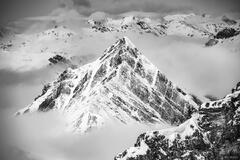
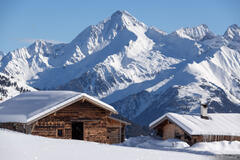
I've done a lot hiking and snowboarding in other parts of the Alps including Switzerland, Austria, and Italy, but this was the first time either of us have visited the French Alps. It was exciting to see the western side of this magnificent mountain range and get a taste of the French alpine culture and cuisine. I'll talk more about our experiences in France below, but first please enjoy this collection of my favorite photos from the trip!


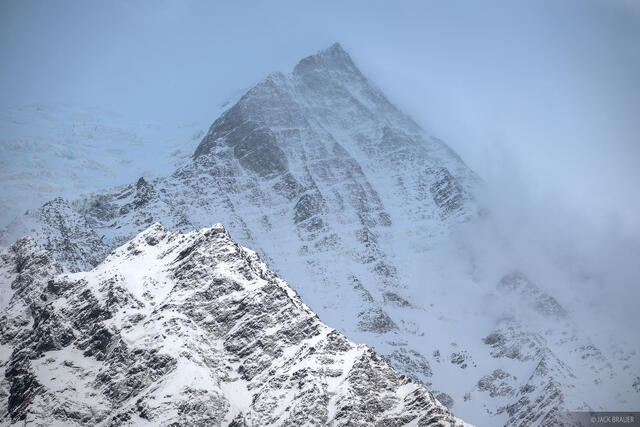
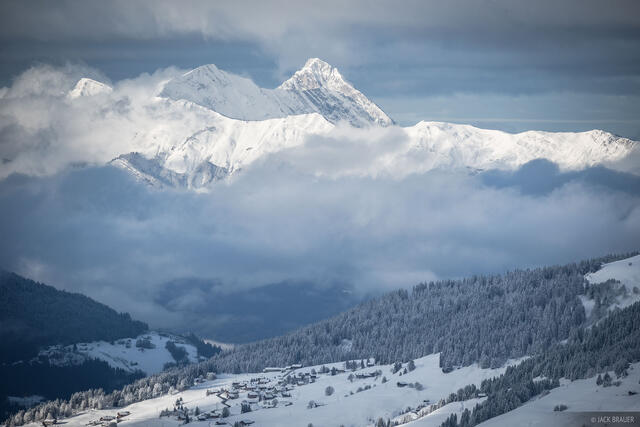
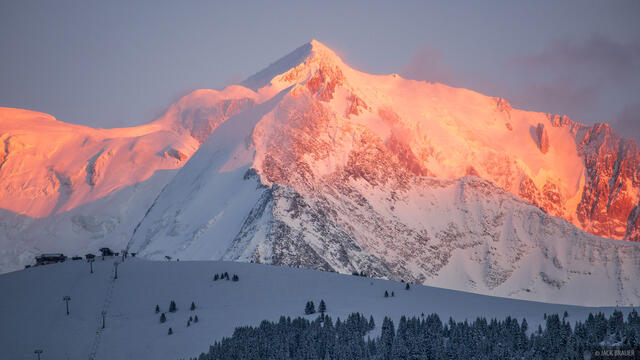
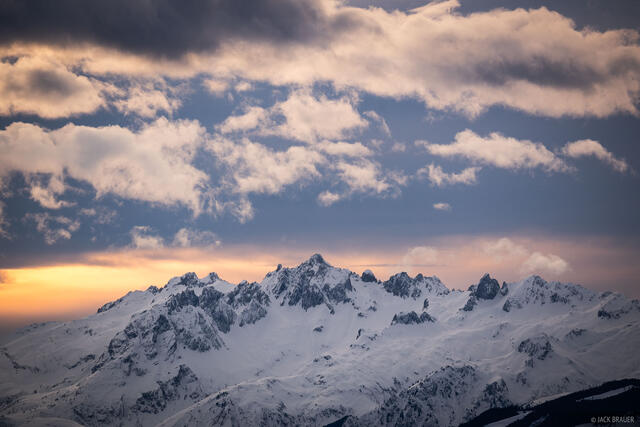
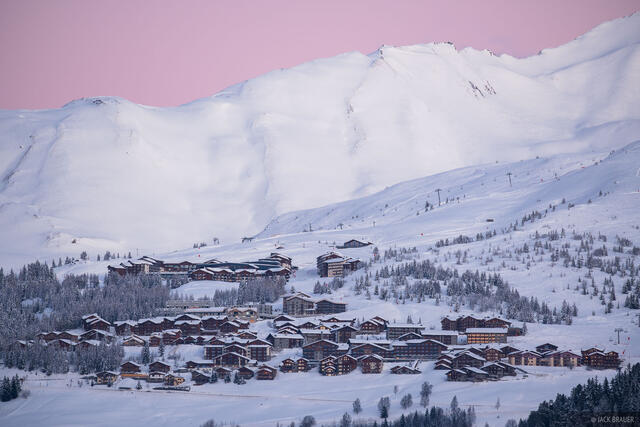
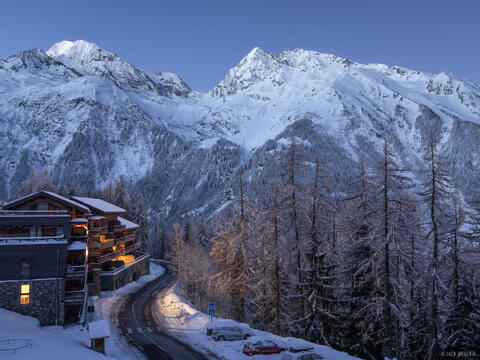
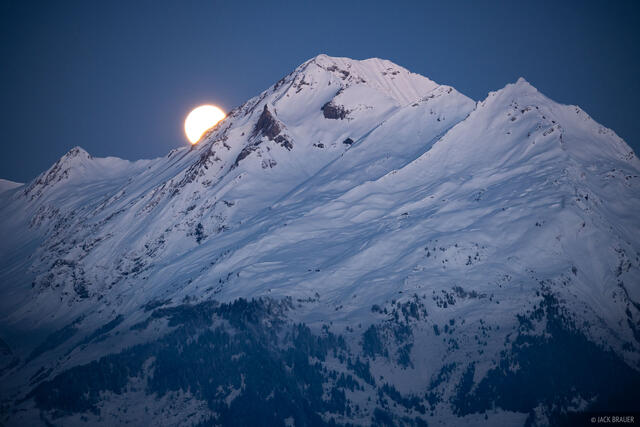
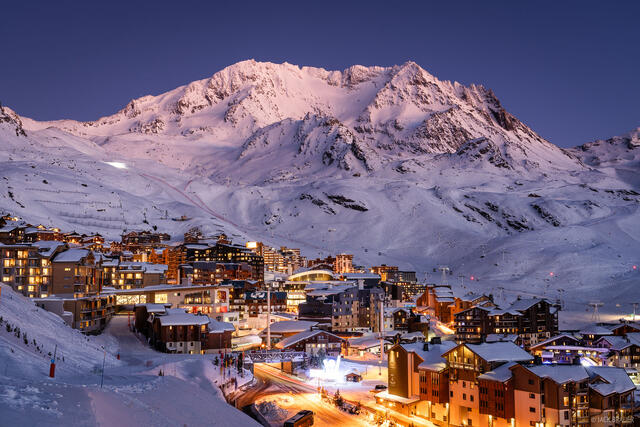
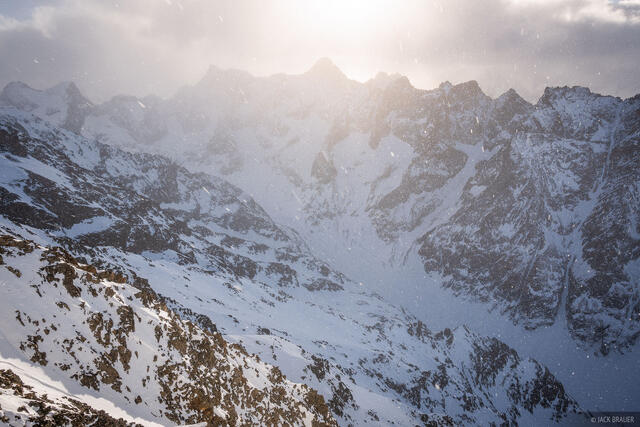
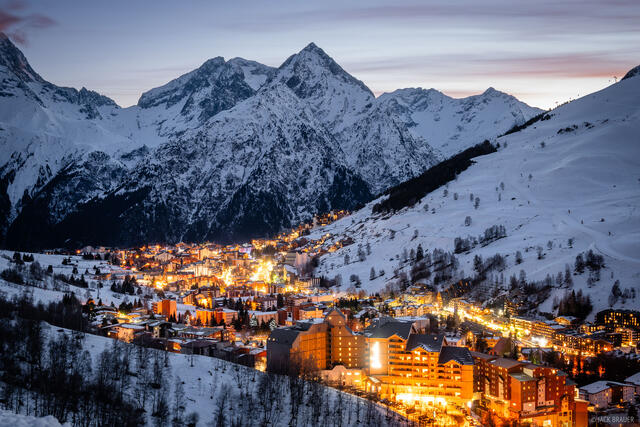
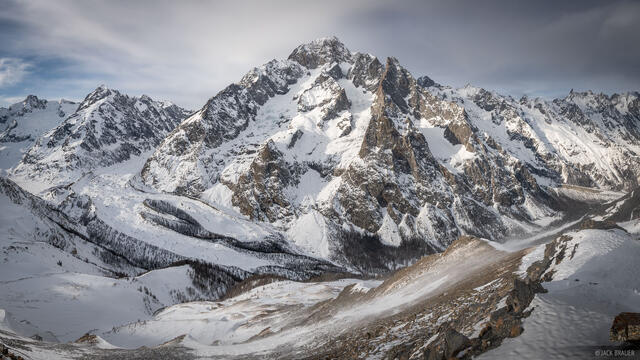
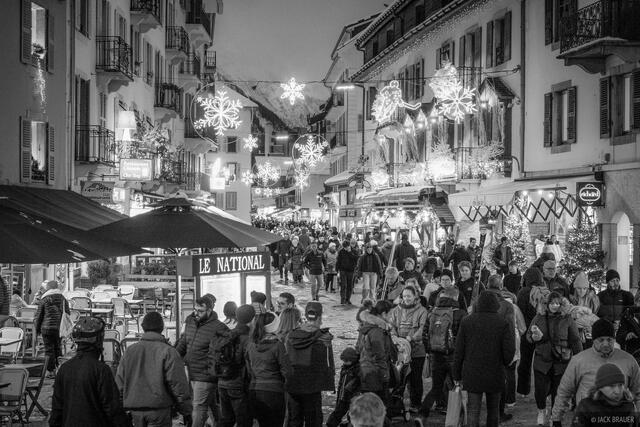


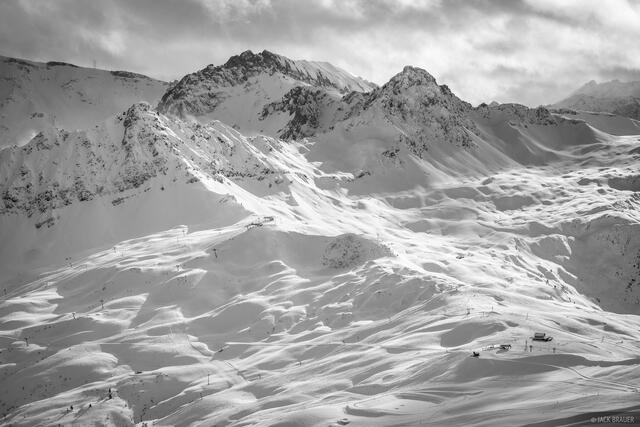


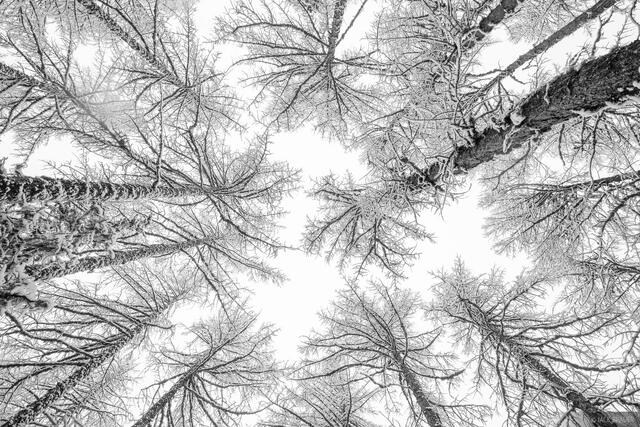

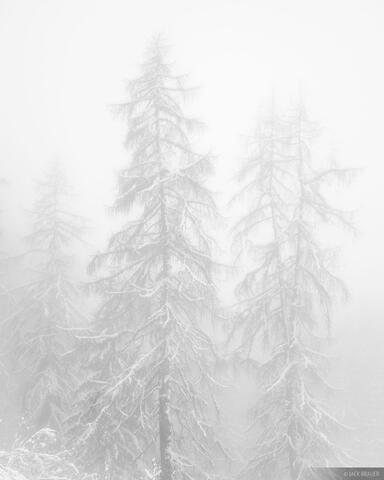
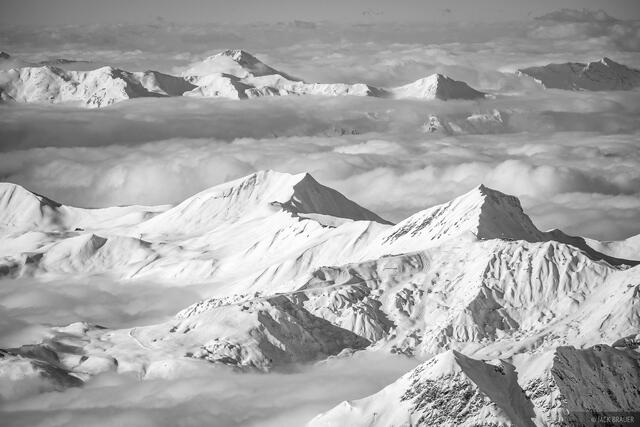
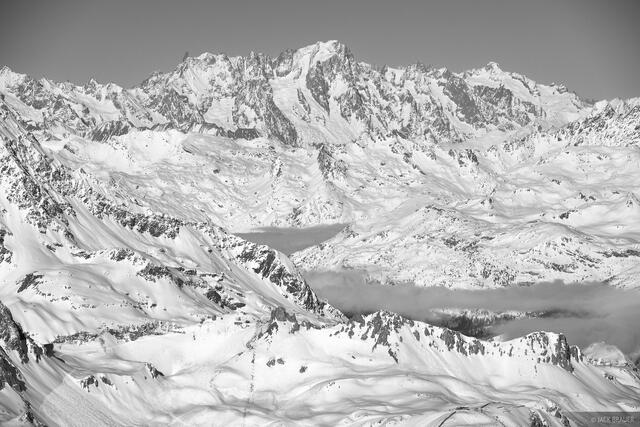

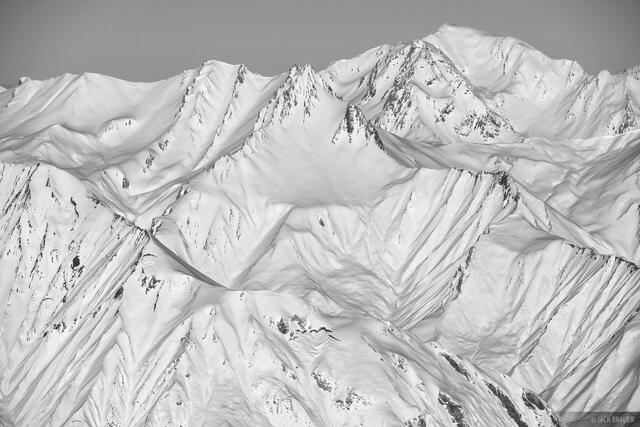
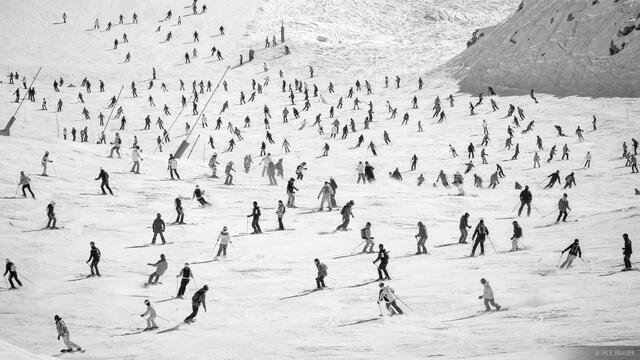
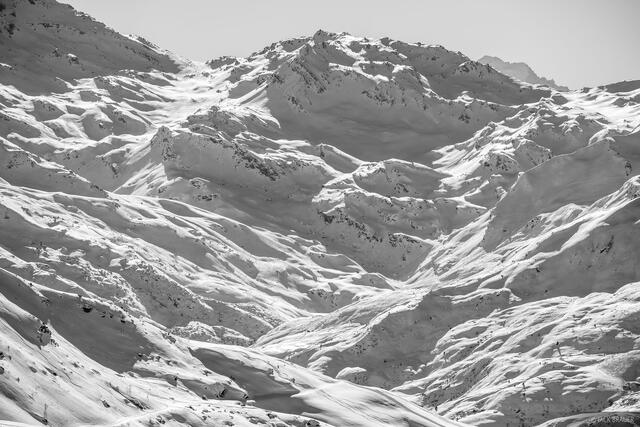


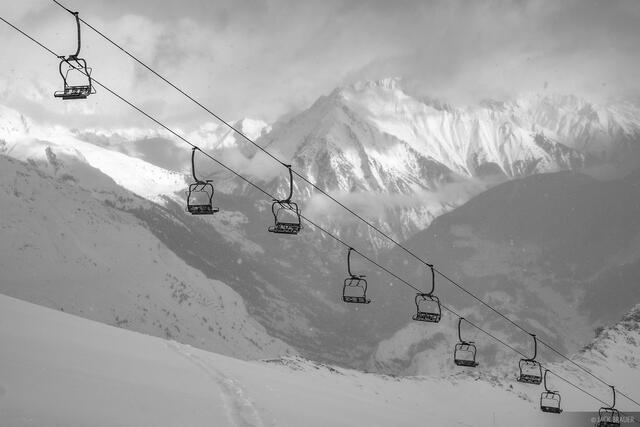
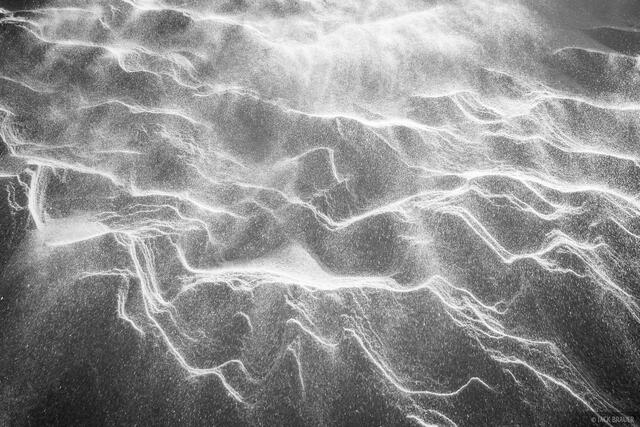


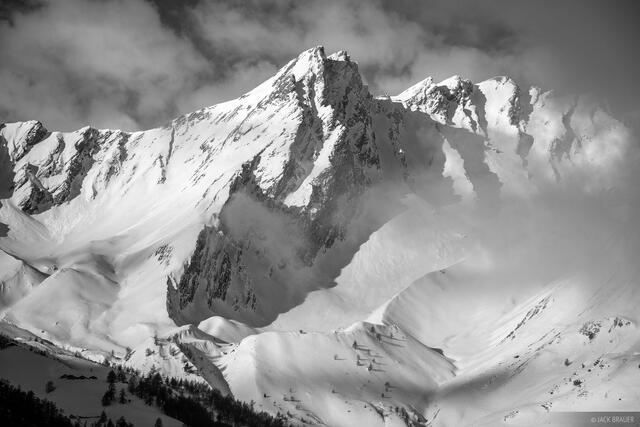
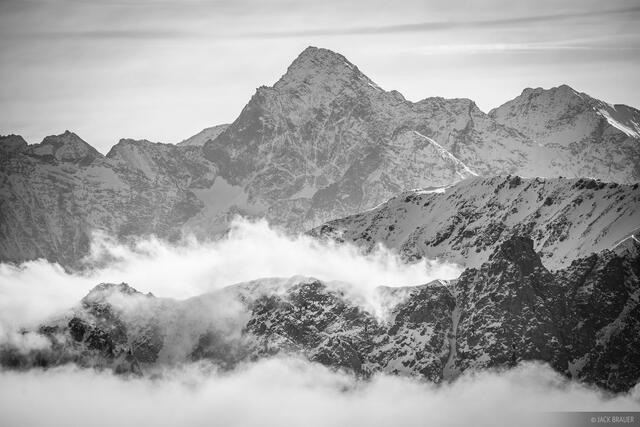
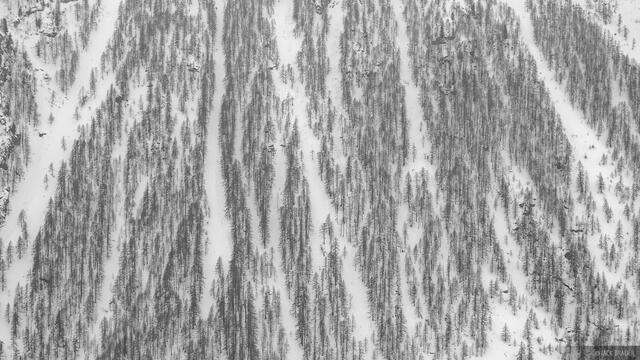
Last winter in Austria I wrote ongoing blog posts almost every day, but on this trip we were so busy skiing & snowboarding and moving from place to place that I didn't have any spare time to even review my photos, much less write blog posts each day. So I want to try to summarize our experiences here and write out some thoughts about the trip while my memories are fresh.
Roaming in the French Alps
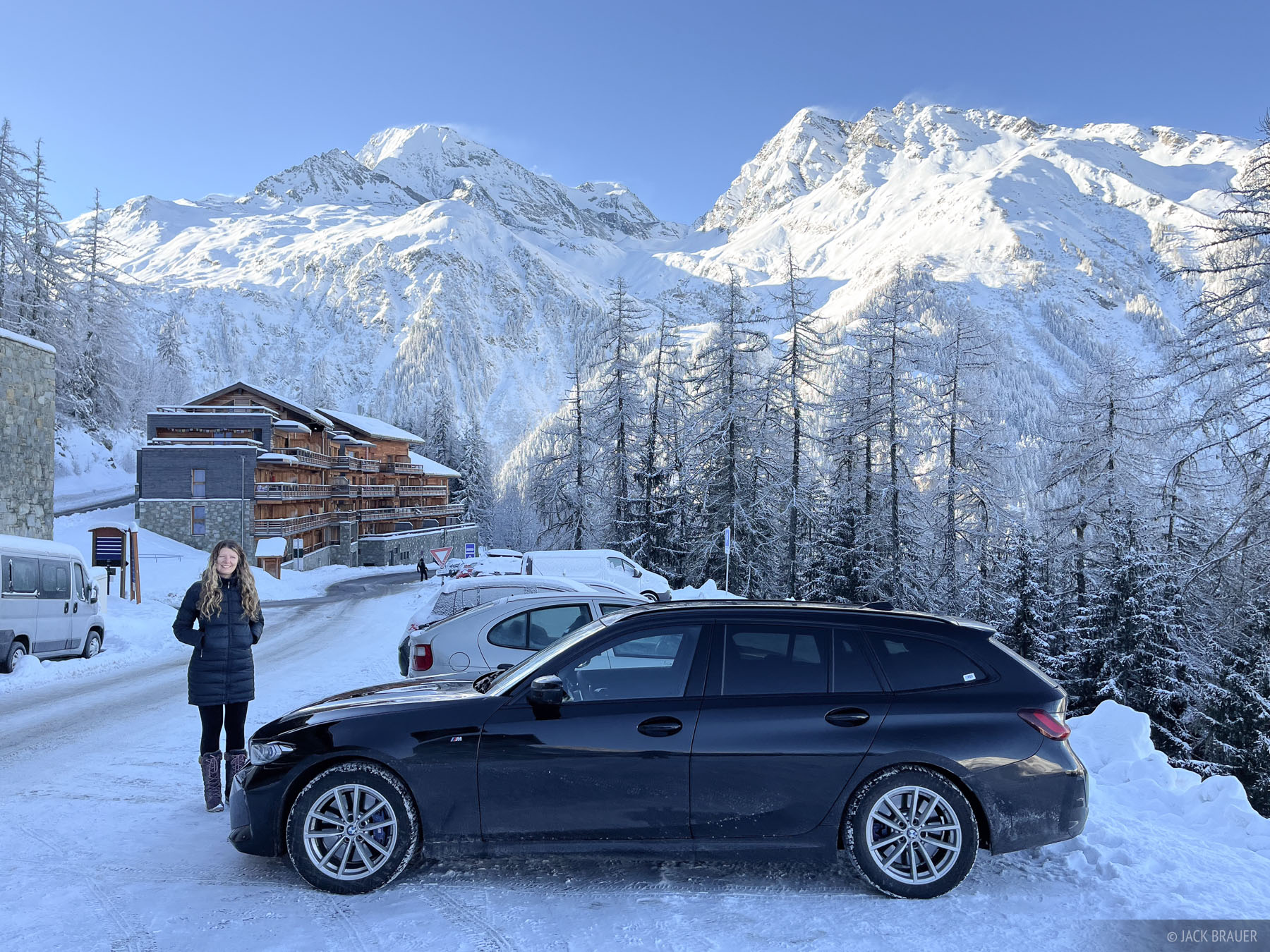
Unlike last winter when we spent three months in Austria mainly in the same valley the whole time, this winter we *only* had one month in France, so we rented a car in order to visit lots of different ski areas, never staying too long at each spot before moving on.
When we're hauling all the ski/snowboard luggage, traveling by car is of course much more convenient than by trains and busses and allows much more flexibility of schedule and lodging. This enabled us to see a lot more places and stack each day full of action without needing down days to deal with public transport.
We rented an all-wheel-drive car in Geneva; the AWD (with winter tires) was key for the oftentimes snowy and icy roads. The rental company upgraded us to a BMW... ooo la la... so fancy!
The 24/25 Winter Snowpack in the Alps (through January)
This year the Alps did not have a great start to the winter season, with a lack of storms and well below average snowpack. But once some big snowstorms were forecasted by early December I went ahead and booked our flights, just hoping that more snow would keep coming into January.
Fortunately for us, the western Alps in France were the bullseye of almost all the storms in December and January, and the only place in the Alps that reached average snowfall amounts in January. So we were in the right spot!
The Alps have been acutely affected by rising global temperatures, and aside from the rapidly shrinking glaciers this is also apparent every winter when the snowline (the freezing level when rain turns to snow) is often higher than in the past. These mountains have a lot of vertical relief and oftentimes if a storm isn't cold enough it can dump snow up high while raining down at the lower elevation towns and ski area bases. Such has been the case so far in the 2024/25 winter - the French Alps had an average amount of snowfall but only above about 2000m elevation (generally about mid-mountain level at most ski areas).
This meant that during our visit in January the skiing was great up high near or above treeline, but the snowpack was noticeably thinner or even unskiable lower down in the trees. For this reason we didn't visit many of the lower elevation ski areas that were on my wish list.
Skiing & Snowboarding in the French Alps
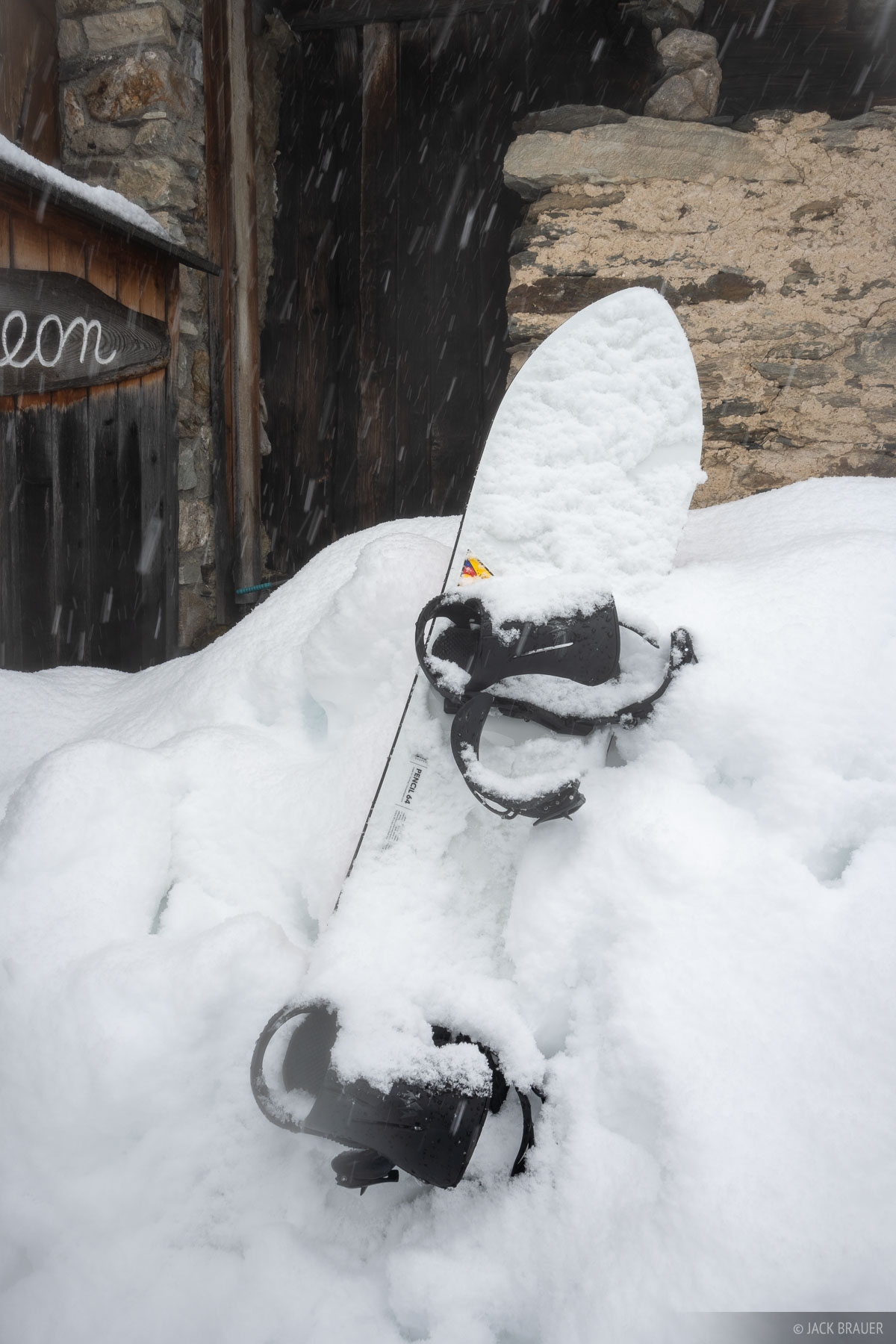
Our main purpose of this trip was to check out a bunch of different French ski areas, and of course to ski/snowboard as much [hopefully powder] as possible! We skied/rode for 17 out of 23 potential ski days (not counting the travel days getting there and back). Most of these days were full opening-to-closing days. We were so constantly exhausted we slept for 9-10 hours every night!
Our first ten days or so were mostly powder days, making for one of the best and most memorable powder weeks of my snowboarding career. Then we had a week or so stretch of sunny weather when we mostly just cruised the groomers exploring the bigger resorts. During our final week we got another couple powder days in Italy, and then of course we had to leave right before another massive snowstorm. 😭 Honestly I don't think I've ever been so bummed to come back home to Colorado from a trip!
For all the skiers and snowboarders reading this, here's a quick rundown and my hot takes on the places we skied:
- Brévent-Flégère (Chamonix): Scored a bluebird powder day here right off the bat, first day. Exciting terrain and epic views of the rugged Mont Blanc massif across the valley. What an introduction to the French Alps! Lots of powderhounds lurking in Chamonix, though, so pretty much all the pow was tracked by noon.
- Balme (Chamonix): A smaller, quieter ski area at the end of the Chamonix valley. Would be great fun on a powder day but every square inch was already tracked from the day before.
- Les Contamines: Just around the corner from Chamonix, but seemingly forgotten by the crowds. Nothing too challenging but endless intermediate wide-open terrain. We scored a very memorable powder day here, riding fresh tracks all day long (I'm not exaggerating). Think Vail back bowls if there were only about a dozen people skiing them all day. This is why skiing in the Alps can be so mind-blowing sometimes.
- La Rosière: A white-knuckle drive up a narrow switchbacking road takes you to this small "family" resort perched high on a mountainside all above treeline. Had whiteout blizzard conditions but still enjoyed a soggy braille powder day here.
- Sainte-Foy-Tarentaise: It looks small on a map but this place is packed full of great terrain, dreamy tree lines, and secret stashes. No crowds and lucky timing during a series of snowstorms meant 3 days of gluttonous powder plunder. I loved it.
- Tignes: One of the most beautiful alpine landscapes I've ever snowboarded in, with awesome views around every corner. But the crowds were awesome too. For as big as the ski terrain is here, there are surprisingly few pistes and they are jam packed full of people. Pinball skiing at its worst. One and done for me.
- Les Menuires (Les Trois Vallèes): Les Menuires is the most "budget" of the four towns of the 3 Vallées, the largest ski resort in the world. The scale of this ski area is mind-boggling; it takes most of a day just to ski over to Courchevel and back. We enjoyed two sunny days of cruising groomers throughout the vast acreage here, though the crowds were a turnoff at times. I liked the Menuires side the best; the crowds are a bit mellower and the pistes more spacious.
- Les Sybelles: A quieter "big" ski area. Unfortunately bulletproof icy pistes when we were there, but I could see some nice potential if there was powder.
- Le Deux Alpes: The furthest south we got. Situated next to the impressively rugged Oisans mountains. It's got a funky layout; the whole ski area kind of runs down the spine of an extended mountain ridge, and there are several choke points that make for dangerous pinball skiing at times. It's possible to ski a whopping 7,500 vertical feet here, though the bottom third of that is probably often icy. Looks like it would be fun on a pow day.
- La Thuile: We bee-lined back north chasing a snowy forecast, drove through the Mont Blanc Tunnel to Italy, and went here for a couple uncrowded powder days. Half the resort is almost unskiably flat; even the steeper parts still have frustrating flat stretches to deal with. Through trail and error I scoped out the best zones on the first day then had a fun powder day with the deepest fluff of the entire trip.
- Courmayeur: With a spectacular view of the rugged southeast face of Monte Bianco (Mont Blanc) right in your face, the skiing here is almost irrelevant. Just post up someplace with a cappuccino and gaze up in awe at the monster peaks and glaciers towering above. The ski area itself is actually fairly limited so if you really want to get after it you should hire a guide and do some big backcountry tours.
- Crévacol: A tiny ski area with only two lifts but heaps of off-piste potential if you had powder (which unfortunately we didn't).
Although we covered a lot of ground during our three weeks of skiing, I feel like we still only scratched the surface and there are a LOT more ski areas I'd love to ride in France, particularly in the extensive Maurienne valley as well as further south/east to Serre Chevalier and beyond. I guess I'll just have to return on another winter in the future when those regions are catching more snow! And I'd certainly return to some of the places we did visit, which surely have more secrets that a longer stay would reveal.
To summarize, France has some of the biggest ski areas in the world, but the mega ski resorts tend to be mega crowded. When I think about all the incredible powder days I've had in the Alps, the one thing in common that made them so special has been the lack of crowds and therefore the opportunity to ride fresh tracks all day long. I just don't see this happening at the mega resorts; there's simply too many people and too many high speed lifts. So, my preference is definitely for the smaller, less famous ski areas where there's no lines, slow lifts, secret stashes, and less powder panic.
In comparison to Austria, I'd say the French mega ski areas can get even more crowded. Austria gets a lot of skiers visiting from Germany; France has a ton of Brits and even Americans. While the big Austrian ski resorts (that I've visited) can feel crowded at times, I rarely felt the intensity of crowding on the pistes like I did at Tignes or 3 Vallées, for instance (and January isn't even the busiest month!). That said, again, the smaller resorts in France were fantastic because for whatever reason the majority vacation to the popular, famous places.
Joie de vivre
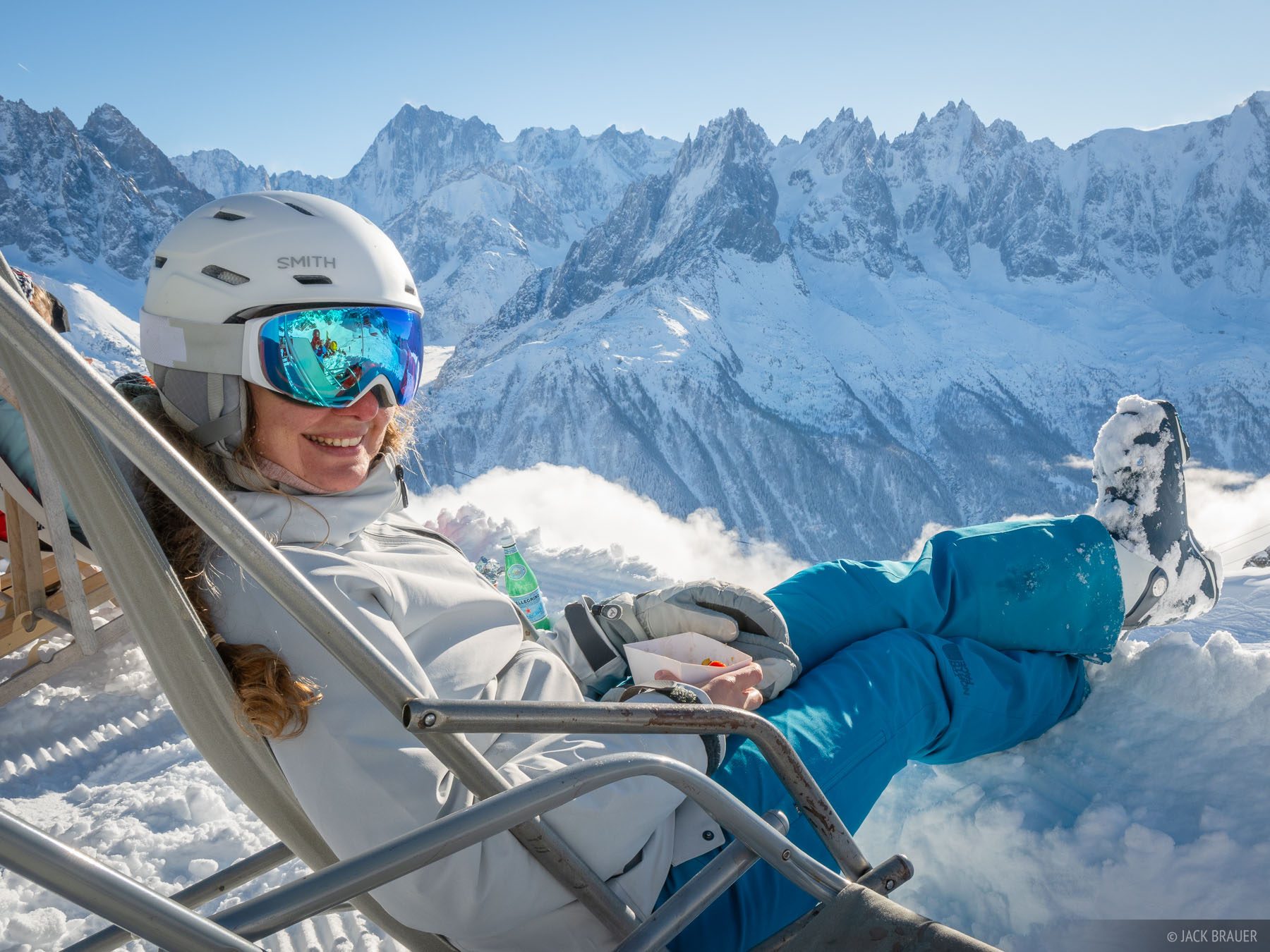
On our very first ski day in Chamonix, we stopped for lunch at a mountain chalet with an epic view of the Mont Blanc massif, and I was so delighted to hear reggae music playing! This sounds like a trivial thing to mention, but after being sonically bombarded by the ubiquitous Austrian après-techno-pop last winter, to hear mellow reggae music playing on the mountain in France was a great relief. During our time in France we heard all varieties of music playing at lift shacks or mountain huts: reggae seems to be popular, but also jazz, classic rock, French rap, and yes sometimes après techno but not the ridiculous drunken Austrian variety. So I'm just gonna say it: the French are just way cooler with their tunes. 😎
As ski tourists our interactions with people were pretty much limited to stores, restaurants, and lift chairs, but nevertheless so many people we encountered in France were friendly, cheerful, welcoming, and patient with our lack of French language. We definitely felt an easy-going and welcoming atmosphere in the French Alps!
French Ski Towns
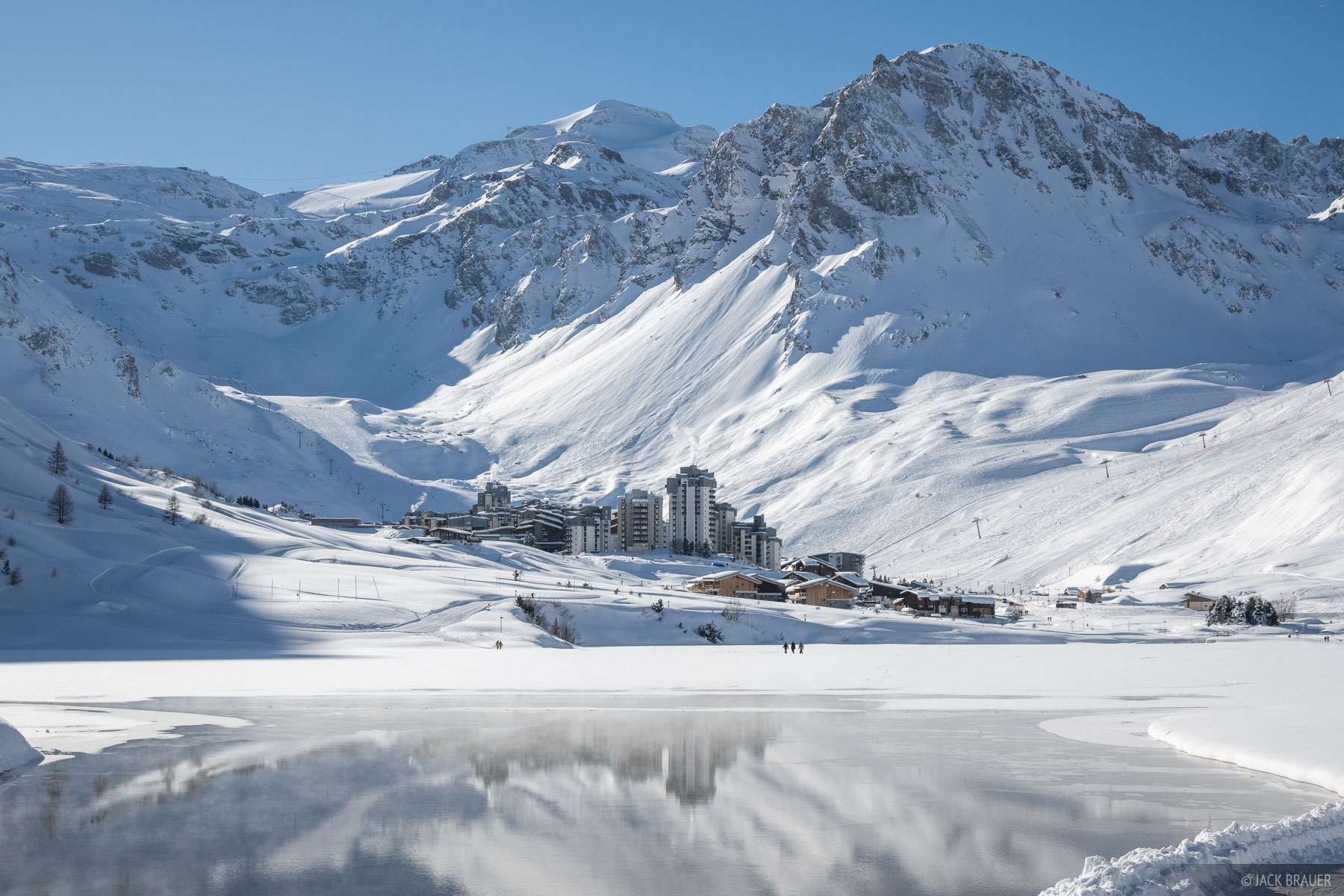
One thing that's really unique about many ski towns in France is that a lot of them were "purpose built" for skiing back in the 60's or 70's. Built in spectacular high-alpine landscapes surrounded by snowy peaks, most accommodations are ski-in-ski-out (or close to it). Regrettably they often built tall multi-story concrete apartment buildings which may have looked modern in the 70's but don't really mesh with the landscape or any sort of Alpine tradition. Some ski villages like Avoriaz have really intriguing and unique architecture, while others like Tignes look like a city project that got misplaced in the mountains.
Not all French ski towns are like this, though; there are also plenty of traditional villages in the valleys that offer a more authentic atmosphere. Also some purpose-built ski villages like Sainte-Foy (which was built in the 90's) were done very tastefully with more respect for an alpine-chalet style of architecture.
In any case, one thing that the French ski towns have in common is that the vast majority of lodging is in small apartments with their own kitchens. Hotels are relatively rare. The cheapest places are cramped studios where the bed is a fold-out sofa. Better apartments at least have a separate bedroom with a real bed. We took advantage of the apartment situation to cook most of our dinners at home rather than eating in restaurants, which certainly helped ease the budget.
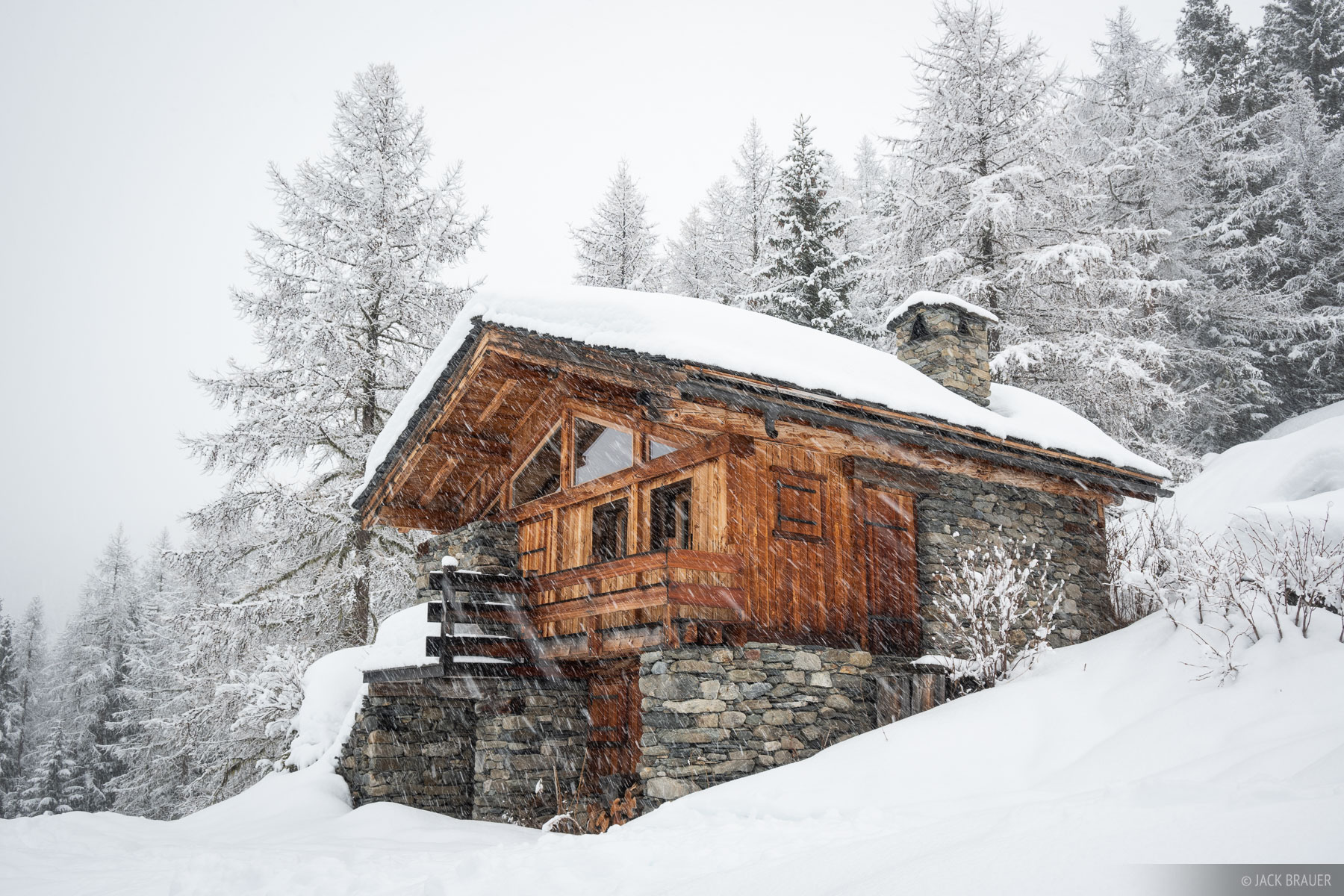
One strange quirk of French lodging (aside from an apparent laissez-faire approach to cleaning) is that it's totally common to charge extra for sheets and towels! Fortunately I realized this before our trip so we actually brought our own set of hut sheets and towels, which was a great call as we saved literally hundreds of euros this way.
On long, expensive trips like this, Claudia and I do try to stick to a reasonable budget so we typically aim for the lower end of the price range for accommodations. Interestingly, in France our average cost for lodging was slightly more per night than in Austria, but in Austria the standard of lodging was higher - generally more spacious, cleaner, and including sheets and towels. (To be fair, we did get some discounts for longer-term rentals while we were in Austria).
Savoie Cuisine
Chef Claudia mostly cooked our own dinners in our apartments, but we also ate out at restaurants quite a bit, usually for lunches on the mountains during our ski days.
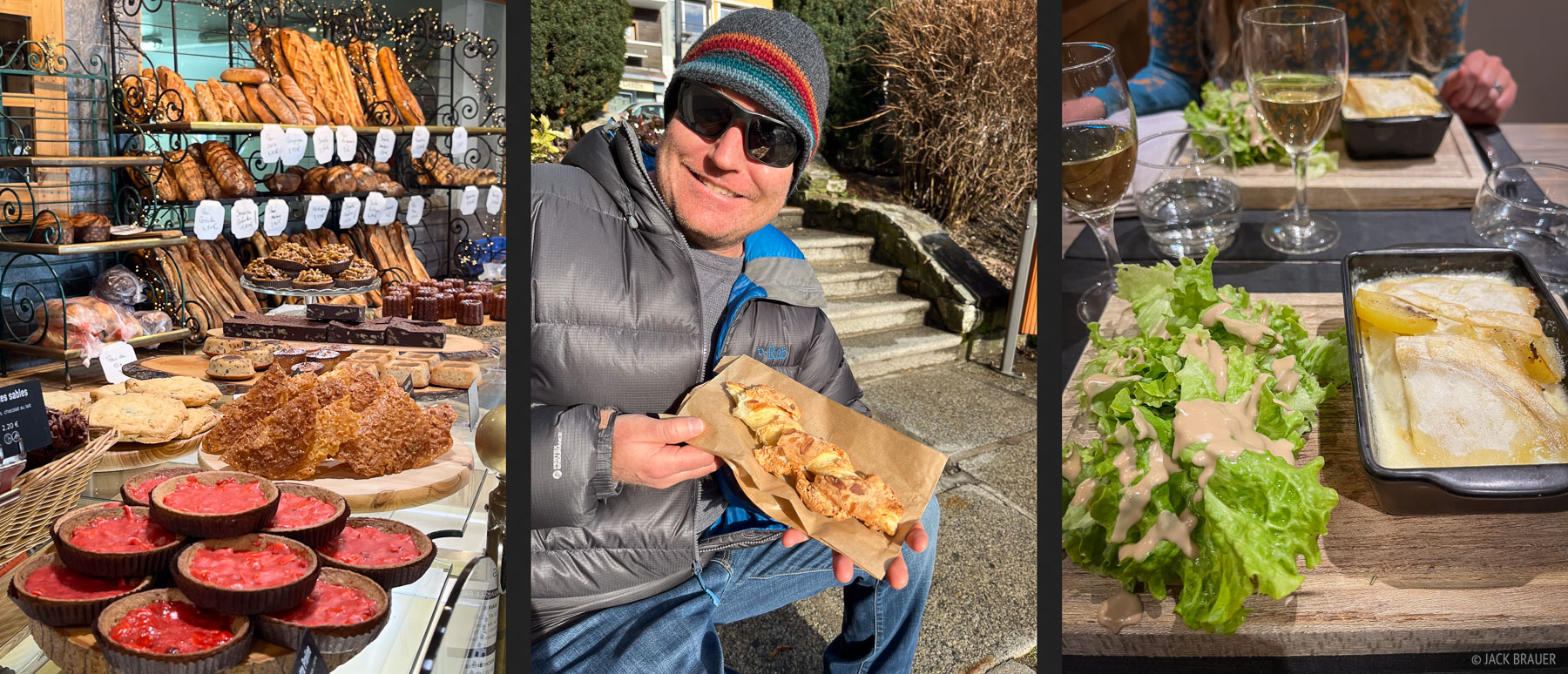
The standout thing to mention is the cheese. Oh my... Reblochon is a specialty of the Haute-Savoie; it's a delicious soft cheese similar to Camembert, often used in galettes (buckwheat crepes folded over savory fillings) and tartiflettes (a baked dish of gratin potatoes, cheese, and onions). Fondue and raclette are also commonplace.
In France I unexpectedly found the best potato chips ever: Brets Chévre piment d'Espelette, or goat cheese and spicy red pepper flavor. I wanted to ship a palette of these home.
Sadly the French haven't really figured out the espresso/cappuccino thing. Italy of course has this dialed, but surprisingly that hasn't carried over the mountains to France where they charge twice as much for a cup that's half as good.
The Photos
As with last winter in Austria, the vast majority of the photography I did on this trip was spontaneous while snowboarding at the ski areas. I carried a Nikon Z30 camera with 16-50mm (24-75mm equivalent) pancake lens in a shoulder pouch, and a 50-250mm (75-375mm equiv) telephoto lens in a hard-shell portable speaker case in my backpack. My main priority is usually the snowboarding itself, but once in a while I see a scene that catches my eye, either right in front of me or perhaps a distant peak where the clouds and shadows are intriguing.
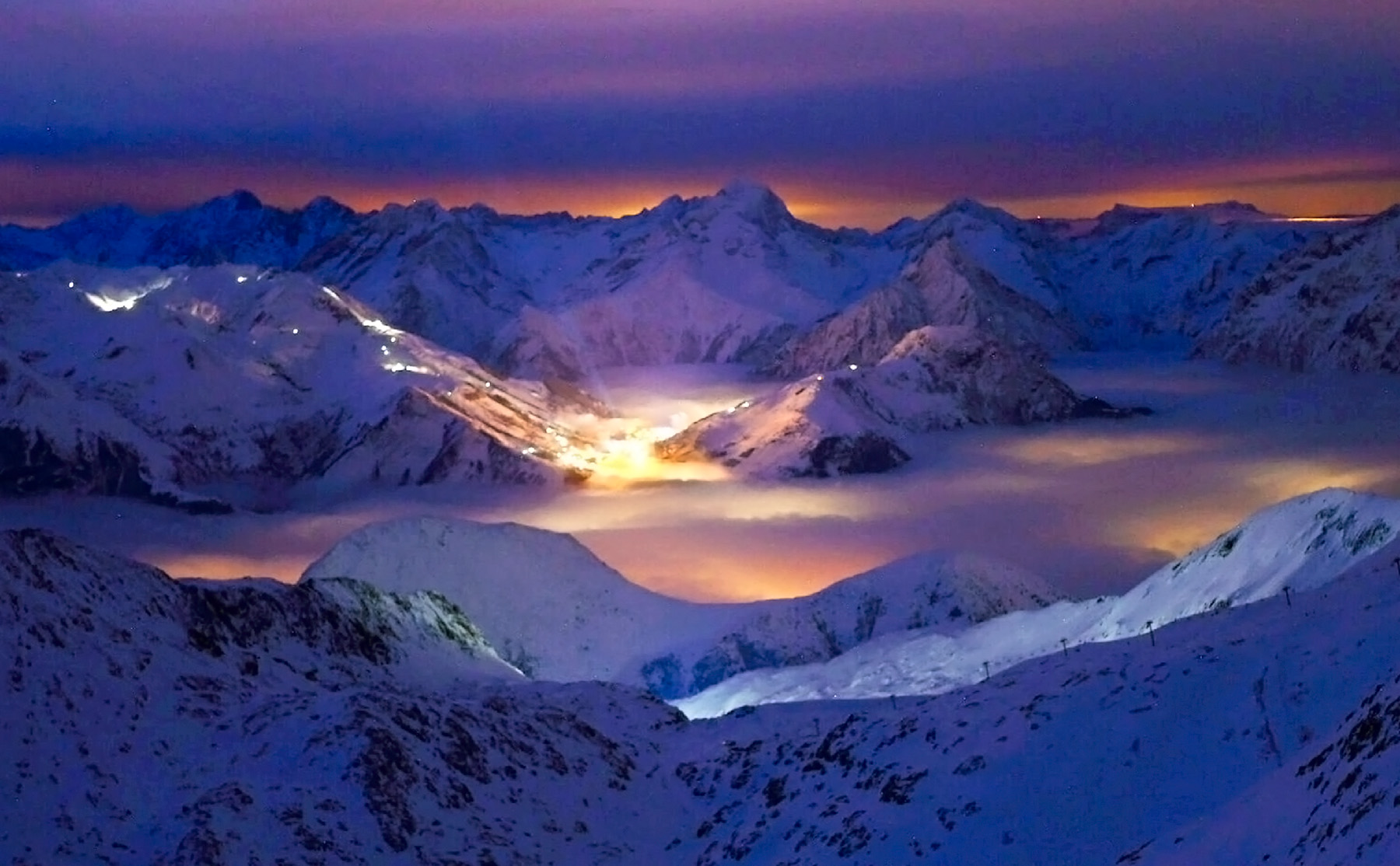
On a ski trip like this in mountains this big, the logistics of getting up high for sunrises or sunsets are far-fetched, so I can't really do my usual style of colorful grand landscape photography. I think if I lived in the Alps and had my winter camping gear I could have a lot of fun doing more ambitious photo-oriented missions, but as a tourist passing through I'm pretty much limited by the opening hours of the ski lifts. In this regard I'm often insanely jealous of the many webcams in the Alps, which are always there at the right place at the right time! I don't know how many times I've looked at scenes of unbelievably epic weather and light from some high webcam, just wishing I could teleport up there with my camera!
That said, I do think that the daytime hours in wintery mountains are well suited for black and white photography; in that case the light and shadows are often more interesting than they are during the colorful golden light hours. So during the last couple winters I've been thinking more in monochrome with the camera. In the gallery above, most of my favorite photos are black & whites.
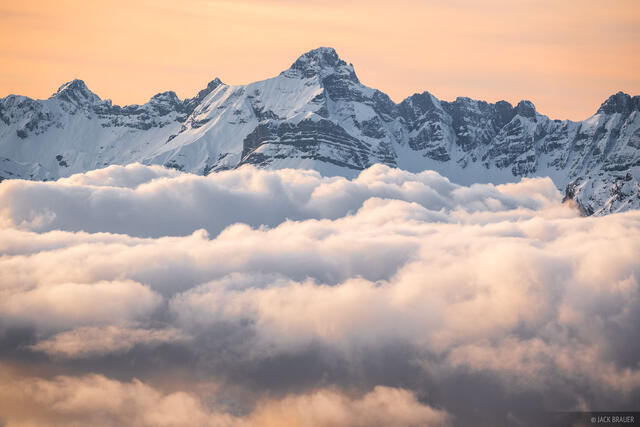
One characteristic of the Alps that I love so much is how there are so many prominent, attractive, pointy peaks throughout the range. This makes these mountains so photogenic, especially when you're up high with a telephoto lens, as you can have so much fun picking out individual peaks and compositions from afar. Additionally, many mountainsides in the Alps have these rolling, undulating textures from old glacial debris (as you can see in some of my photos above). Not only does this rolly terrain make for fun skiing/riding when it's smothered in snow, but the way it catches light and shadows makes for really striking lines and patterns to photograph at various times of day.
During our month in France, I shot a total of 4,773 photos and published 46 of them in this gallery above. That's a keeper rate just shy of 1%, or 1 out of every 100 shots. About 60% of my "keepers" were shot with the telephoto lens (a much greater percentage than with my usual landscape photography).
À bientôt!
If you've read this far it's probably apparent by now but I really enjoyed our time in France (despite my few gripes in the lodging and cappuccino departments). This was definitely one of those trips where I left with a bigger wish list of places to visit than when I started! In particular I was very intrigued with a glimpse of the rugged Oisans mountains and may just have to get back there soon for some summertime hut trekking. And you know every winter I'll be keeping an eye on the Alps snow forecasts, eager to get back to France or Austria or wherever the snow is!